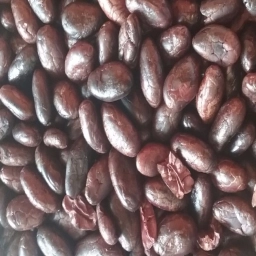
The Mallard Effect: Why Roasting is the Soul of Pure Chocolate
Walk down any health food aisle, and you'll see "raw" chocolate touted for its nutritional benefits. At the same time, the broader chocolate industry often processes beans at high temperatures for long periods, claiming to lock in antioxidants.
At Ridgewood Chocolate, we take a different path—one guided by flavor, safety, and true craftsmanship. We believe the art of roasting isn't about destruction; it's about **transformation**. It's where the potential of the cocoa bean is fully realized, creating new compounds that are both delicious and beneficial.
Let's break down the science.
The "Raw" Chocolate Dilemma: A Question of Safety and Flavor
Proponents of raw chocolate claim that avoiding heat preserves all the natural enzymes and nutrients. However, this ignores a critical fact: the cacao bean is a seed from a fruit grown in soil. In its raw state, it can harbor pathogens like "Salmonella" and "E. coli". While the risk might be small, it is a risk nonetheless.
More importantly, "raw" means underdeveloped. Without the alchemy of heat, the complex flavors locked within the bean—the deep, nutty, and roasted notes we associate with great chocolate—never truly emerge. You get potential, but not fulfillment.
Industrial Roasting: The High-Heat Compromise
The industrial chocolate solution is often to roast at very high temperatures. While this ensures safety, it's a blunt instrument. This aggressive process can scorch the delicate fats in the cocoa butter and destroy the very volatile organic compounds that create chocolate's complex aroma and flavor profile. They may retain some antioxidants, but at the cost of the bean's soul.
The Ridgewood Way: The Art of Caramelization & The Maillard Reaction
Our approach is one of precision and purpose. We roast our beans not to simply pasteurize them, but to unlock their full potential through two key chemical reactions:
1. Caramelization: This occurs when the natural sugars in the cocoa bean are gently heated. They break down and re-form into new, deeper, and more complex compounds. This is what gives our chocolate its underlying "sweet, rich, and rounded notes", eliminating the sharp acidity sometimes found in raw cocoa.
2. The Maillard Reaction: This is the famous "flavor miracle" that gives us the crust on seared steak and the golden-brown color of baked bread. In cocoa beans, it's the reaction between amino acids (protein) and reducing sugars when heat is applied.
* This reaction is responsible for creating hundreds of new flavor compounds, producing the "nutty, toasty, and deeply chocolatey notes" that define a superior bar.
* It also creates "Melanoidins", antioxidant compounds that give roasted coffee and chocolate their characteristic dark color and have been linked to anti-inflammatory benefits.
The Verdict: Safety, Flavor, and a New Class of Beneficial Compounds
So, while the industry talks about preserving what's already there, we focus on "creating what should be."
* Safety: Our roasting eliminates potential pathogens, ensuring a pure and safe product.
* Flavor: We develop a symphony of flavor through caramelization and the Maillard reaction that raw chocolate can never achieve.
* Beneficial Compounds: We aren't just preserving antioxidants; we are catalyzing the creation of new ones, like Melanoidins, through careful roasting.
By embracing the roast, we don't lose the bean's goodness—we elevate it. We transform the raw, potential-filled seed into a safe, complex, and truly nourishing food. This is the soul of our chocolate: not raw, not over-processed, but "perfectly transformed."