Every chocolate maker faces the same choice before anything else happens: do you roast the bean, or not?
Raw chocolate has a devoted following, and it’s worth understanding why.
We chose the other path, and we want to explain that choice honestly.
What “raw” really means
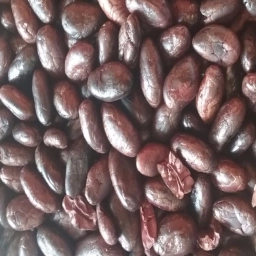
“Raw” cacao isn’t truly raw. After harvest, the beans are fermented for several days, often reaching temperatures around 45 to 50°C, then dried in the sun. “Raw” simply means the beans are never roasted.
The appeal is real: roasting reduces some of the natural compounds found in cacao, such as the flavanols researchers often study. Raw chocolate makers want to keep as much of the bean’s original chemistry as possible.
What roasting does
Roasting changes the bean in three important ways.
It makes the bean safe. Cacao is fermented and dried outdoors, and the beans pick up whatever the open air and soil bring. Roasting is the step that makes them clean. Raw chocolate skips it.
It creates flavor. The deep, roasted taste of chocolate doesn’t exist in the raw bean. It forms during roasting, through the same kind of browning that turns bread into toast. Researchers are still learning about the new compounds this browning creates.
It mellows the bean. Raw cacao is sharp and astringent. Roasting drives off harsh acids and softens the bitterness.
How we roast
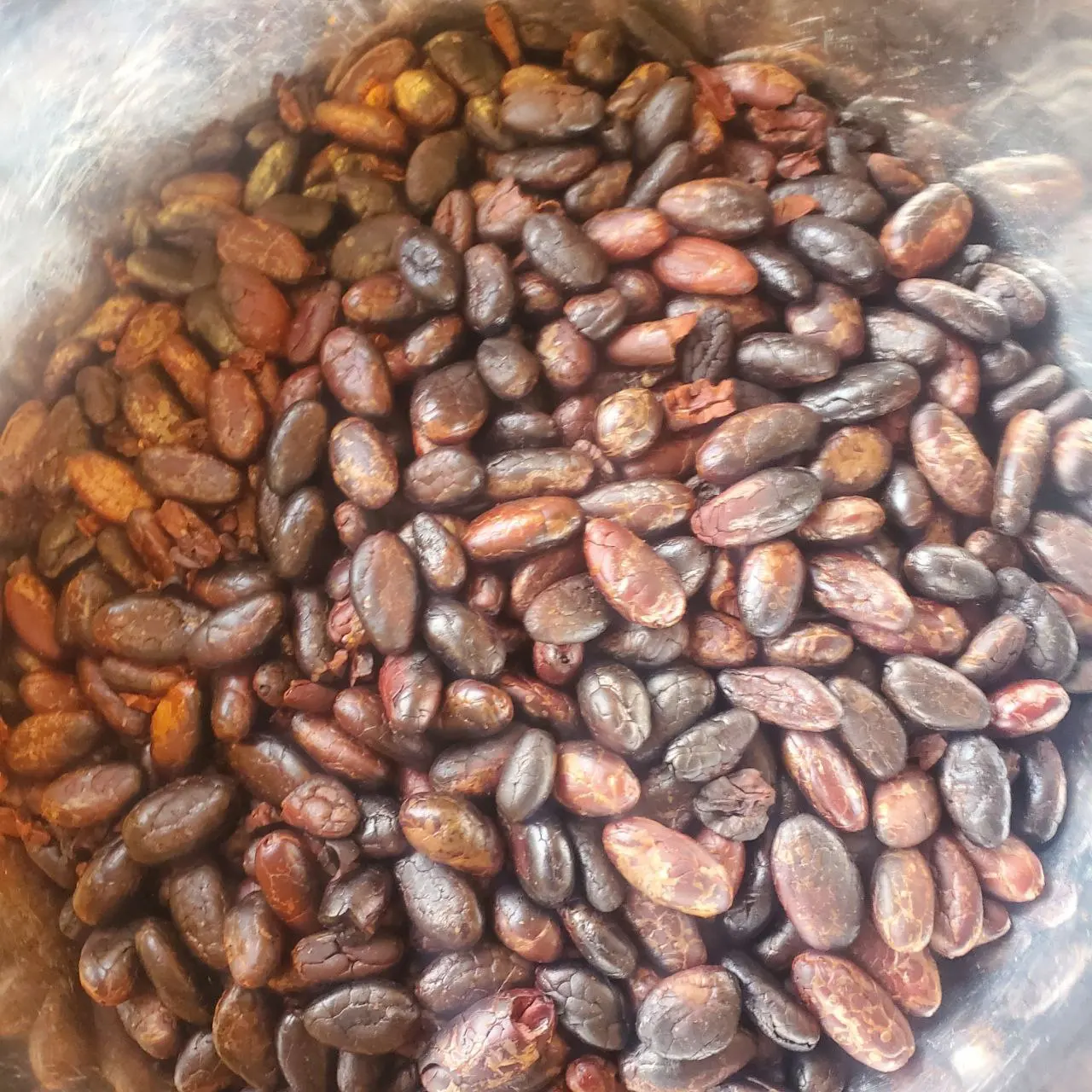
We roast whole beans in small batches, a pound at a time, and we roast them deeper than most craft makers. We don’t go by a timer alone. We watch each batch until the shells begin to lift away from the nib on their own. That’s how we know the bean is ready.
The result is chocolate that tastes roasted, not bitter: deep and warm, without the harsh edge many people
expect from dark chocolate.
Then comes the slow part
Once the beans cool, we shell every one by hand. Most chocolate makers crack beans in a machine and blow the shells away, and some shell always slips through. We don’t use a machine.
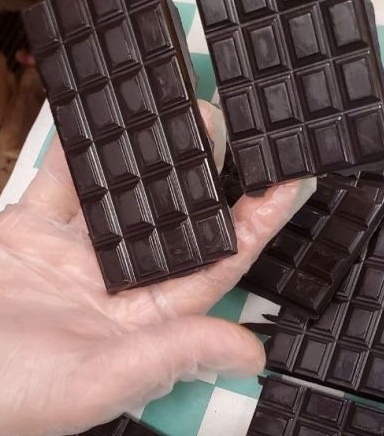
It’s slow work. One batch of our Ecuador San José bar took 3 hours and 4 minutes of hand-shelling alone. Each 28-gram bar is made from about 20 to 25 beans, and every one of them passed through our fingers.
The shell is the part of the bean that has been closest to the ground and the open air. Roasting cleans the bean, and removing the shell completely takes it one step further.
Two paths, honestly compared
Raw chocolate keeps more of the bean’s original compounds. Roasted chocolate trades some of them for safety, a mellower taste, and flavors that only heat can create. Neither choice is simply right or wrong. They’re different ways of respecting the same bean.
Ours is the roasted path, taken slowly: whole beans, small batches, a roast judged by the bean itself, and every shell removed by hand. Two ingredients, cacao and unrefined sugar, and nothing added to cover anything up.
Taste the difference for yourself
The best way to understand a roast is to taste it. Take one square, press it gently to the roof of your mouth, and let it melt. Notice the roast first, then the bean, then what lingers.
Come by the shop and we’ll show you the beans, tell you the story, and let you taste the difference.
Ridgewood Chocolate
6002 Catalpa Ave, Ridgewood, Queens
Monday to Saturday, 11am to 8pm
See how every bar is made → process-pure